
When someone says "fashion platform," your mind probably goes to Depop or Poshmark. Fair enough, they're huge. But here's the thing most people don't realize: those platforms were built for people who sell clothes, not people who make them.
If you're a fashion designer or tailor, someone who creates custom pieces, works with clients on measurements, manages production timelines, Depop and Poshmark were never designed for you. And that's not a criticism of them. They're great at what they do. They're just solving a different problem.
The comparison at a glance
| Feature | thimblely | Depop | Poshmark |
|---|---|---|---|
| Fashion Marketplace | Yes | Yes | Yes |
| Client Management (CRM) | Yes | No | No |
| Order Tracking | Yes | No | No |
| Measurement Templates | Yes | No | No |
| Inventory Management | Yes | No | No |
| Financial Reports | Yes | No | No |
| Team Management | Yes | No | No |
| Calendar & Scheduling | Yes | No | No |
| Designer Portfolios | Yes | No | No |
| Trend Discovery Feed | Yes | Yes | Yes |
| Custom/Bespoke Orders | Yes | No | No |
| Mobile-First App | Yes | Yes | Yes |
| Built for Fashion Creators | Yes | No | No |
The pattern is pretty clear. On the marketplace side, all three platforms overlap. But when it comes to actually running a fashion business? Depop and Poshmark stop at the transaction. thimblely keeps going.
What Depop does well (and where it stops)
Depop nailed the secondhand fashion marketplace. The experience is clean, photograph your item, write a description, set a price, ship it when someone buys. For vintage sellers and thrift flippers, it's perfect.
But try running a bespoke fashion business on Depop. Where do you store client measurements? How do you track a custom order that's in its third fitting? Where's the inventory view showing you which fabrics are running low? There's no CRM, no calendar for fittings, no financial dashboard. Because that's not what it's for.
Same story with Poshmark
Poshmark adds some social flavor with Posh Parties and a strong community feel. It's great for the buy-sell-ship model. But like Depop, it assumes you have a finished product sitting in a box, ready to go. If your business involves consultations, custom work, multiple fittings, and client relationships that span years, Poshmark isn't built for that workflow.
Where thimblely is different
thimblely was built by asking a different question: "What if the marketplace was just the front door, and behind it was everything you need to actually run your fashion business?"
So yes, there's a marketplace. Clients browse, discover designers, explore trends. But once a client connects with you, the real tools kick in.
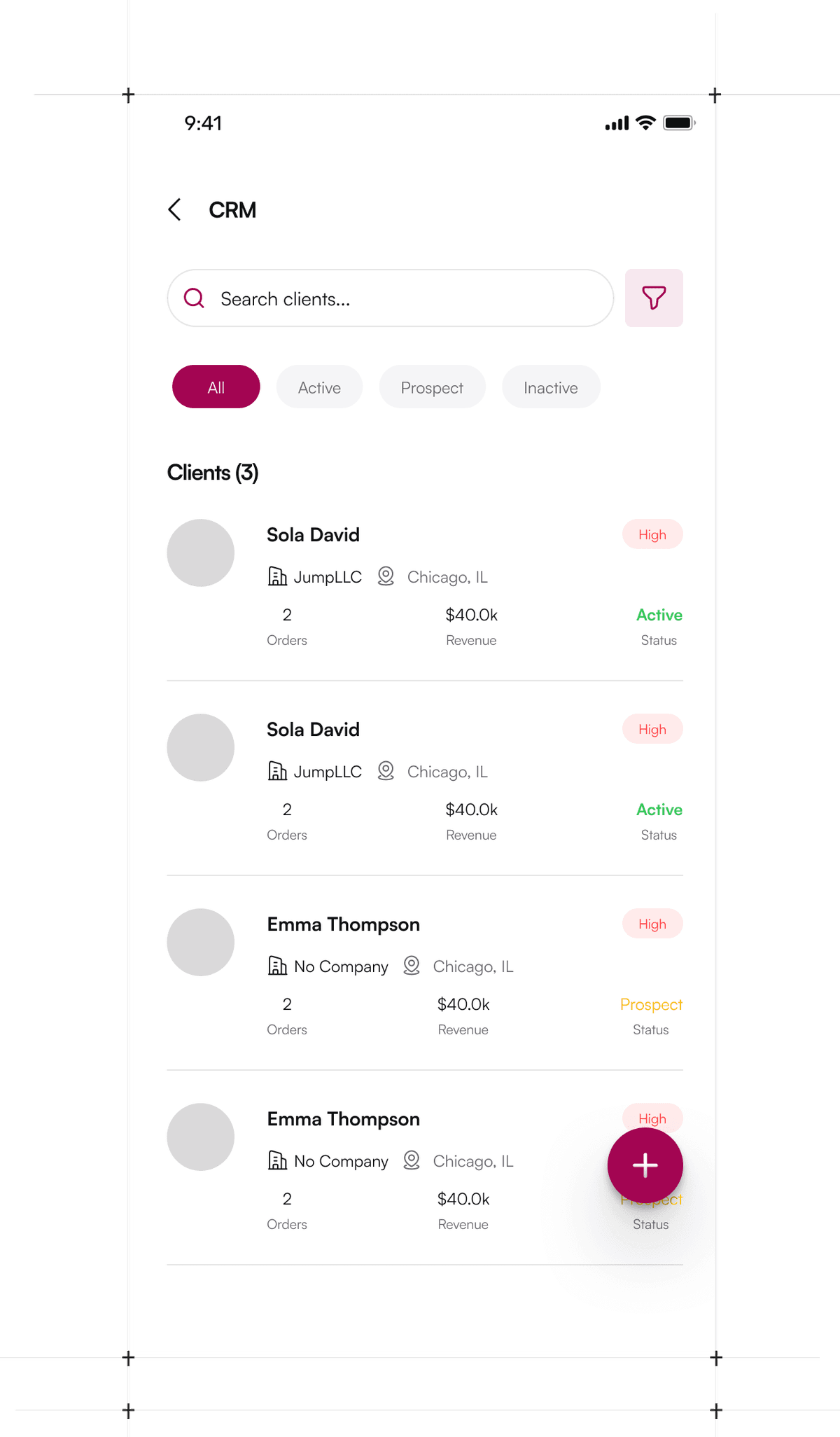
Your clients aren't just names, they're profiles with order history, revenue, and status you can filter and search.
Every client has a full profile. You can see their orders, how much revenue they've brought in, whether they're active or need a follow-up. No more scrolling through WhatsApp to figure out where things stand.
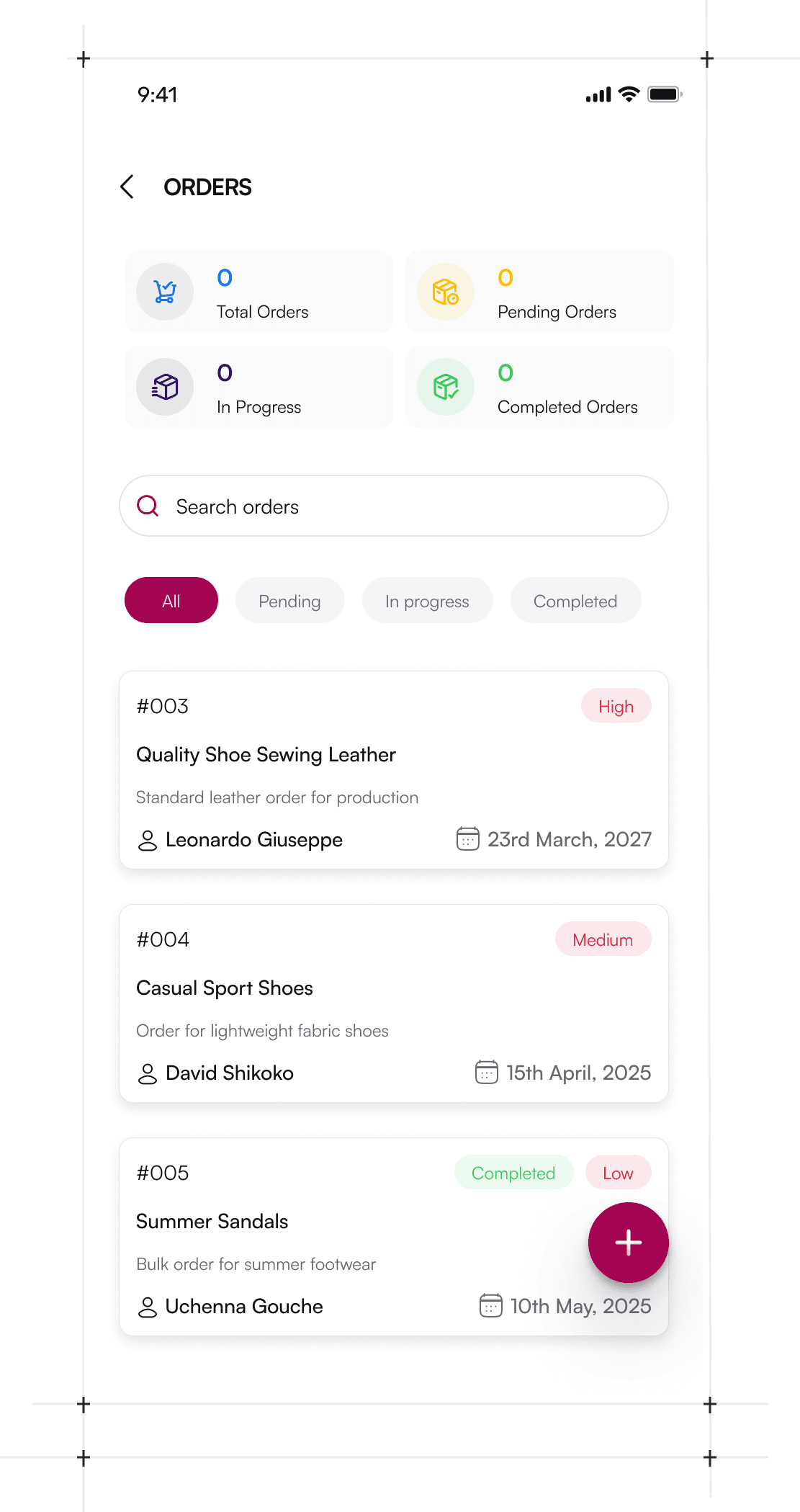
Track every order by priority, status, and deadline, from pending to completed.
Orders are tracked through every stage with priorities and deadlines. During busy season, Owambe weekends, wedding season, holiday rushes, you can see at a glance what needs attention and what's on track.
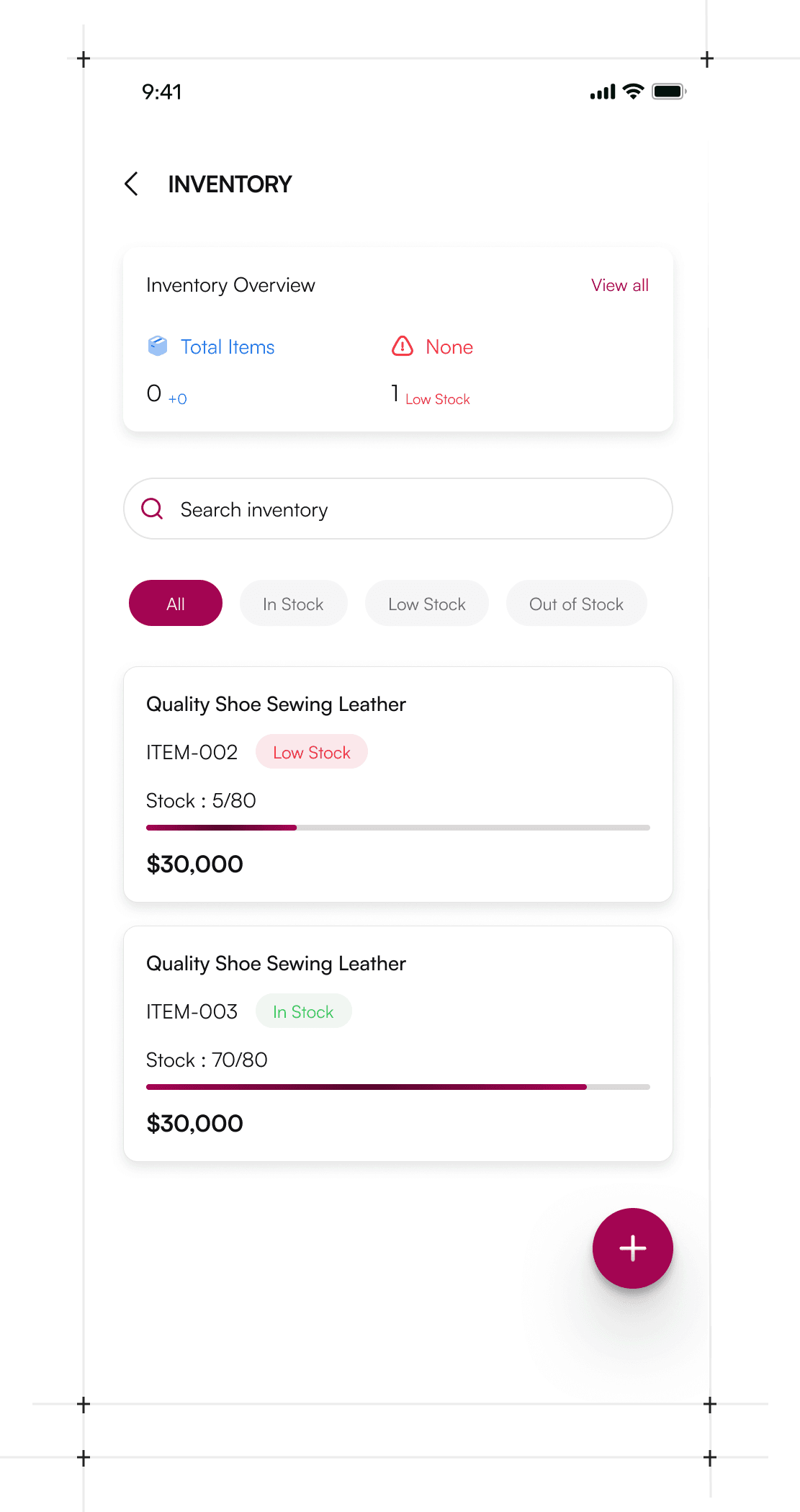
Know exactly what's in stock, what's running low, and what it's worth.
And then there's the stuff that Depop and Poshmark will never build: inventory tracking for fabrics and materials, a financial dashboard with revenue and expense breakdowns, a calendar for fittings, and team management if you have employees.
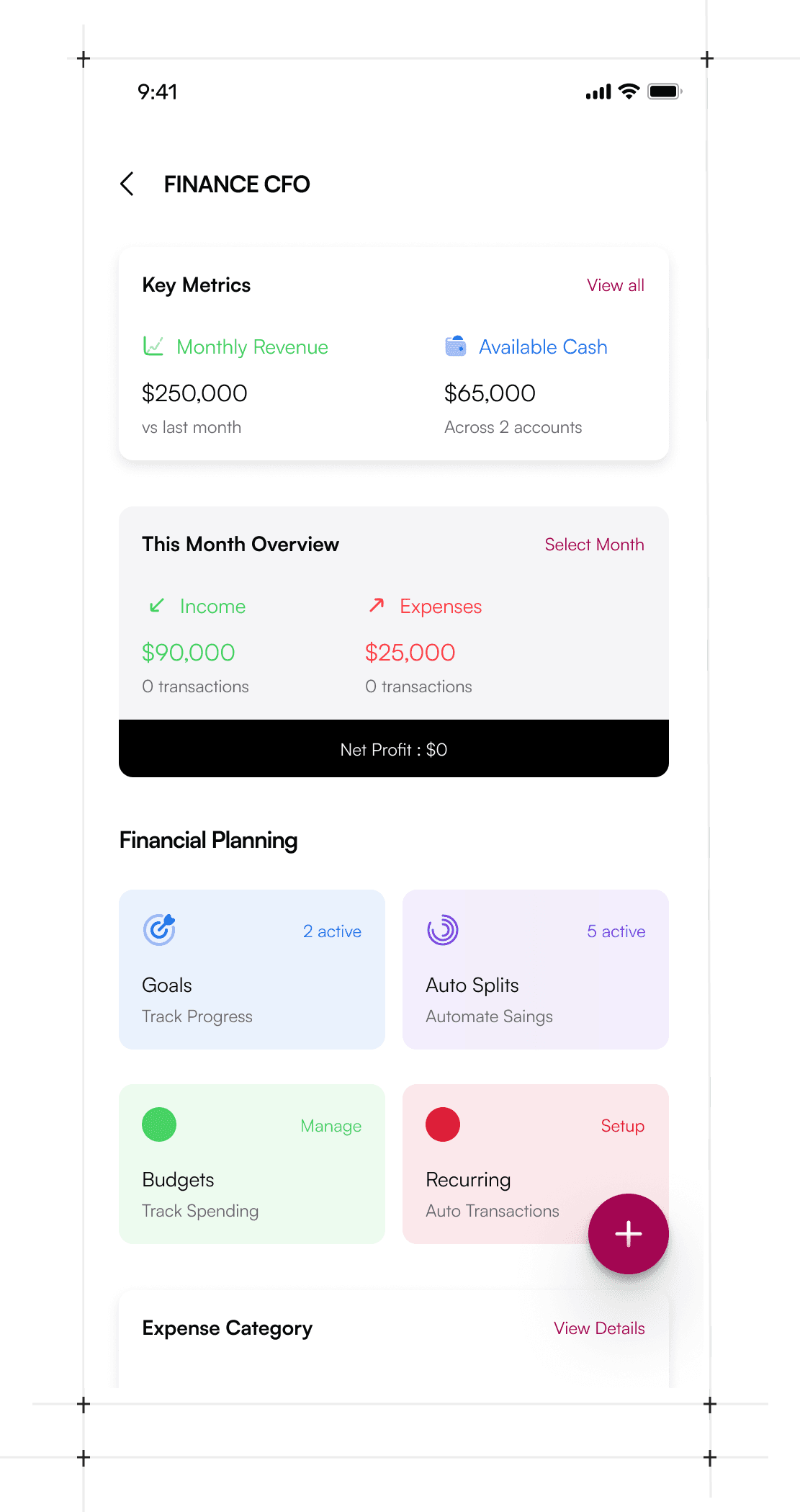
Revenue, expenses, profit, budgets, and savings goals, all in one finance view.
So which one should you pick?
Go with Depop or Poshmark if...
You sell secondhand, vintage, or ready-made clothing. Your business model is: list it, sell it, ship it. These platforms do that really well and have massive buyer audiences.
Go with thimblely if...
You create custom work. You have ongoing client relationships. You need to track measurements, manage production, handle finances, and actually run a fashion business, not just list products. Especially if you're done juggling five different apps to do the job of one.
Want to see what a platform built for fashion creators actually feels like? Get started with thimblely , it's free, and early users get $10 in credits to explore everything.
Keep reading
- Comparisonthimblely vs TailorMate vs Easy Tailor App vs Geelus: Which Tailoring App Should You Choose in 2026?An honest comparison of the leading tailoring business apps: what each does well, where they differ, and how to pick the right one for your workshop, boutique, or fashion brand.9 min read
- ProductRunning a Team? How to Assign Work and Stay in SyncGrowing from solo to a small team is a milestone, and a new kind of chaos. Here's how to keep everyone aligned.4 min read
- GrowthYour Client Book Is Your Business: Building Repeat CustomersNew clients are expensive. The ones you've already made for are your real growth engine, if you keep them.5 min read