
Let's be honest: if you're a tailor or fashion designer, your business probably lives in about six different places right now. Client orders in a WhatsApp group. Measurements scribbled in a notebook. Money coming in through bank transfers you're tracking in your head. Maybe a spreadsheet if you're feeling organized.
It works. Until that one week where three clients all need their outfits at the same time, you can't find Mrs. Adeyemi's measurements, and you realize you forgot to charge someone for extra fabric. Sound familiar?
The real cost of "making it work"
There's nothing wrong with starting scrappy. Every fashion business does. But there's a point where the patchwork of tools starts costing you: lost orders, forgotten follow-ups, clients who go quiet because nobody reminded them their fitting was today.
The bigger issue is that generic tools don't think about fashion. A project management app doesn't know what a measurement template is. Your notes app doesn't connect a client's profile to their orders. And nobody's tracking which fabrics are running low in your inventory.
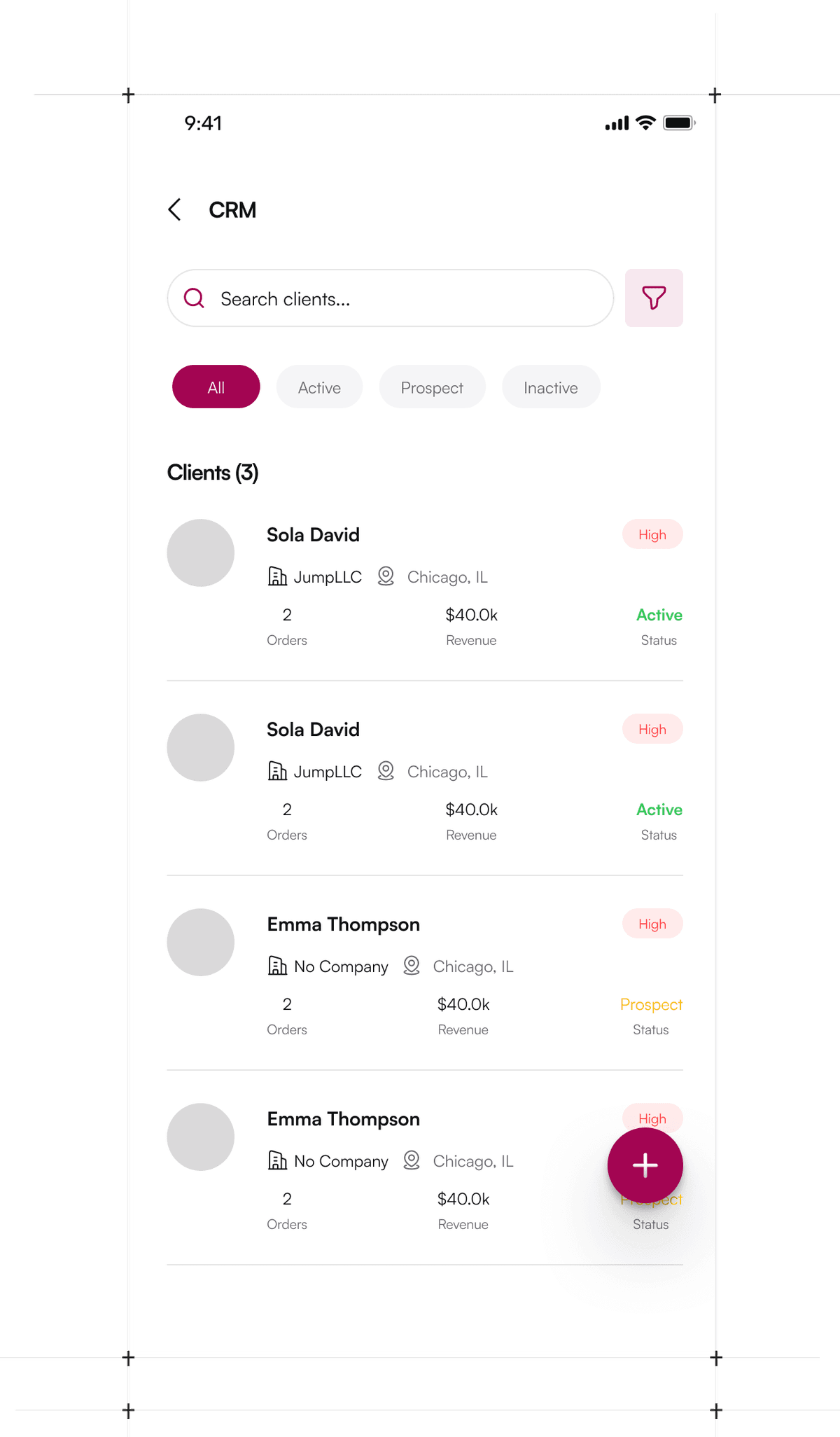
thimblely's CRM keeps every client's orders, revenue, and status in one place, no more digging through chat histories.
What actually helps a fashion business
A tool built for fashion needs to match how fashion businesses actually run. Not how a Silicon Valley PM imagines they run, but how they actually run. That means:
Clients aren't just contacts. They have body measurements, style preferences, order histories, and a relationship you're building over years. You need profiles, not spreadsheet rows.
Orders have stages. A custom garment goes through consultation, fabric selection, cutting, sewing, fitting, alterations, and delivery. You need to see where every order sits at a glance.
Fabric is money. If you don't know what's in stock, you're either buying too much or promising fabric you don't have. Inventory tracking should be built into the same app where you manage orders.
The money needs to be visible. How much came in this month? What are your expenses? Are you actually profitable? Most fashion businesses can't answer these questions without spending a weekend going through receipts.
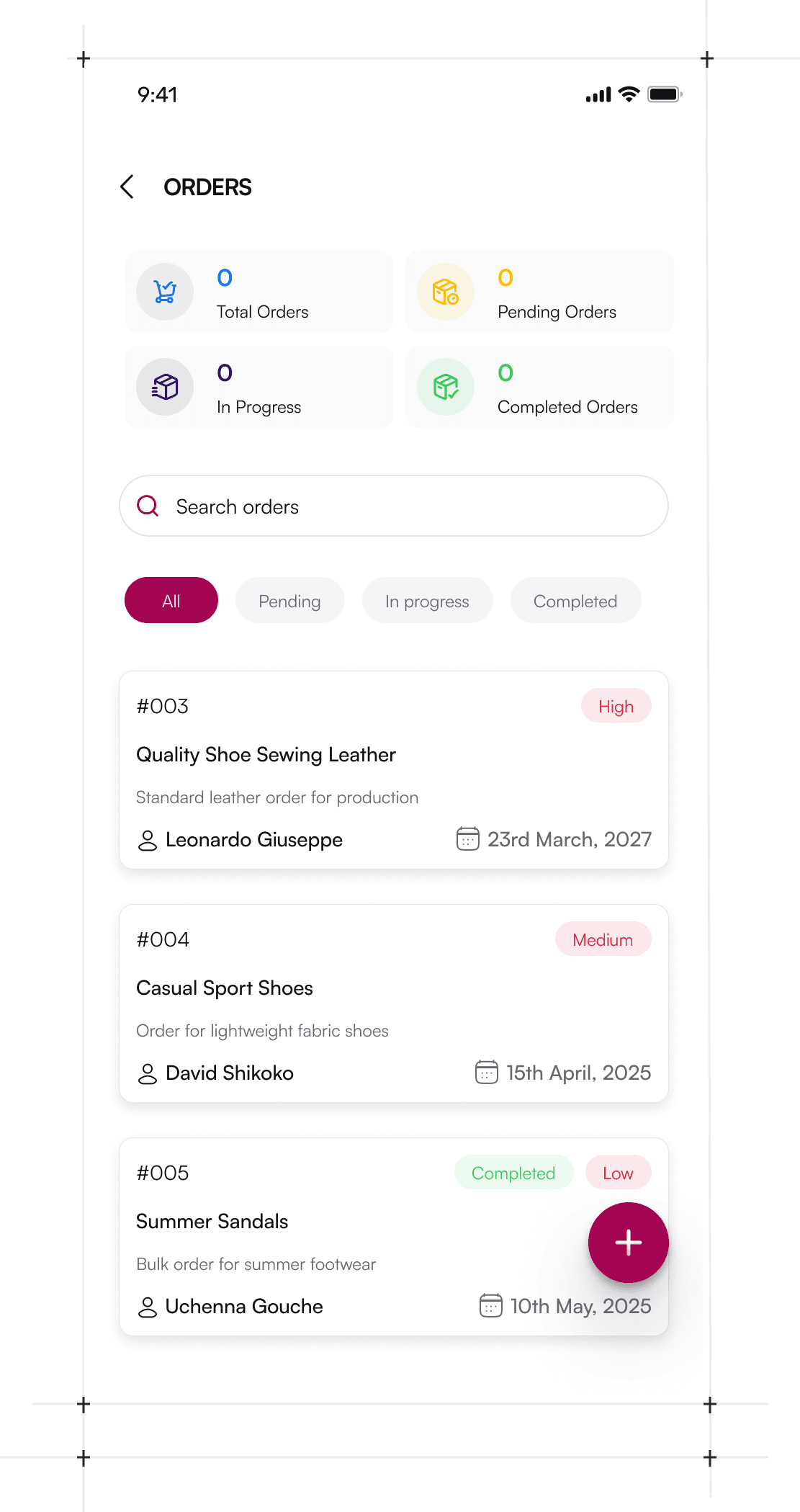
Every order tracked with priority, status, and deadlines, so nothing falls through the cracks during busy season.
This is why we built thimblely
thimblely started from a simple observation: fashion businesses deserve the same quality of tools that every other industry has. Not generic tools with a fashion skin on top. It is a platform that's built from the ground up for how fashion creators work.
It's a marketplace where designers get discovered by clients, and it's also a full business management suite: CRM, orders, inventory, finances, calendar, team tools. One app instead of six. Mobile-first, because that's where the work happens.
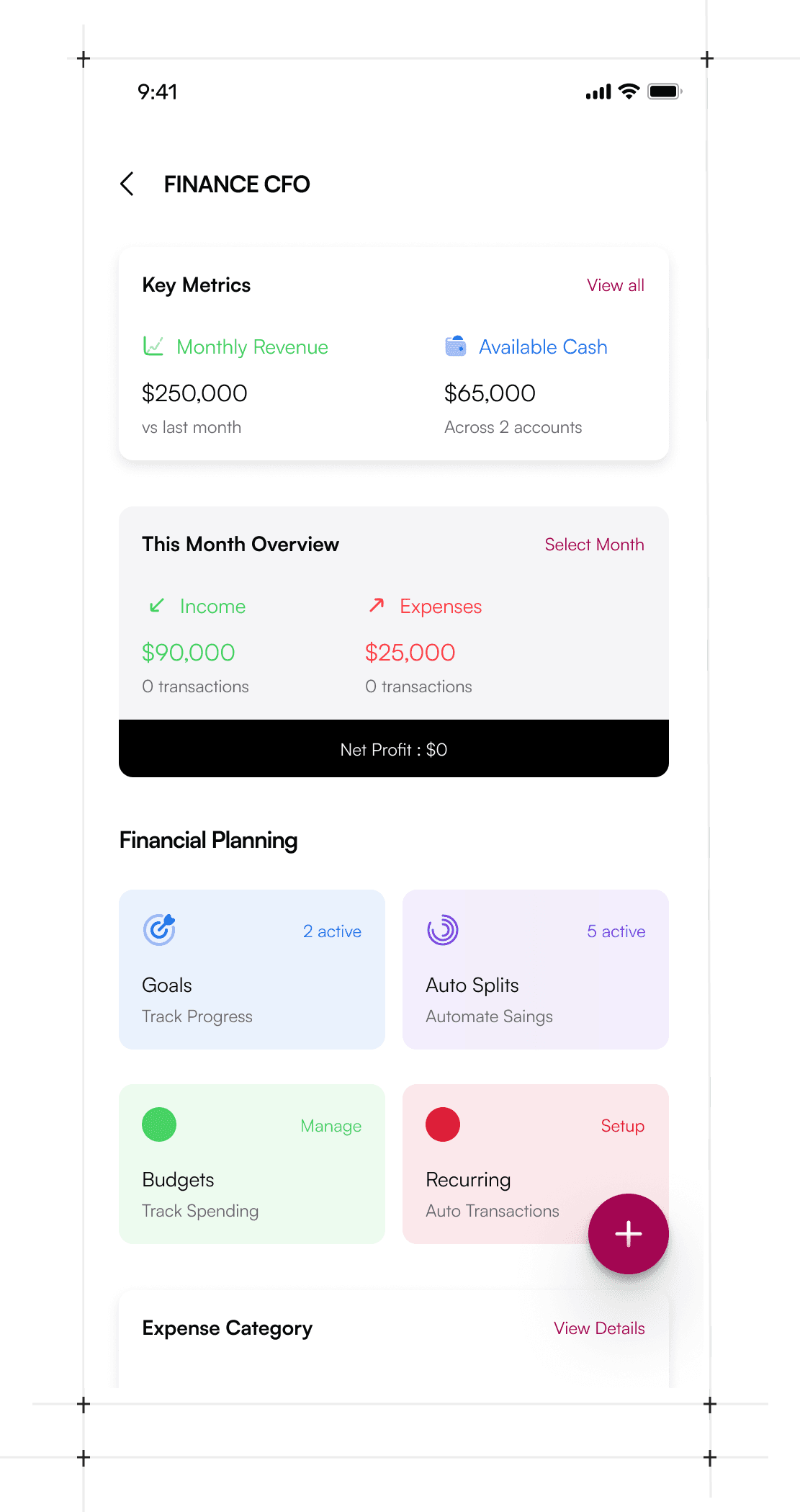
Finally see your numbers clearly: revenue, expenses, profit, budgets, and savings goals designed for creative businesses.
The shift is happening
The global fashion industry is worth over $1.7 trillion. UNESCO valued Africa's clothing and footwear market at $31 billion, and it keeps growing. But most independent fashion businesses still run without any dedicated software.
That's changing fast. The designers who professionalize their operations now, who can tell you exactly how many orders are in progress, which clients are overdue, and what their margins look like, are the ones who'll scale. The ones still relying on memory and WhatsApp will hit a ceiling.
Try it yourself
thimblely is in private beta right now on iOS and Android. It's free to get started, and early users get $10 in credits plus direct access to the team building it.
If you're a tailor, designer, or creative entrepreneur who's outgrown the WhatsApp-and-spreadsheet setup, come join the beta. We'd love to hear what you think.
Keep reading
- IndustryWhat African Fashion Can Learn From How Europe Built Its Fashion IndustryEurope did not win fashion with better designers. It won with systems: protected names, local manufacturing, schools, and state support. The playbook, with sources, and how makers can use it today.11 min read
- ProductRunning a Team? How to Assign Work and Stay in SyncGrowing from solo to a small team is a milestone, and a new kind of chaos. Here's how to keep everyone aligned.4 min read
- GrowthYour Client Book Is Your Business: Building Repeat CustomersNew clients are expensive. The ones you've already made for are your real growth engine, if you keep them.5 min read