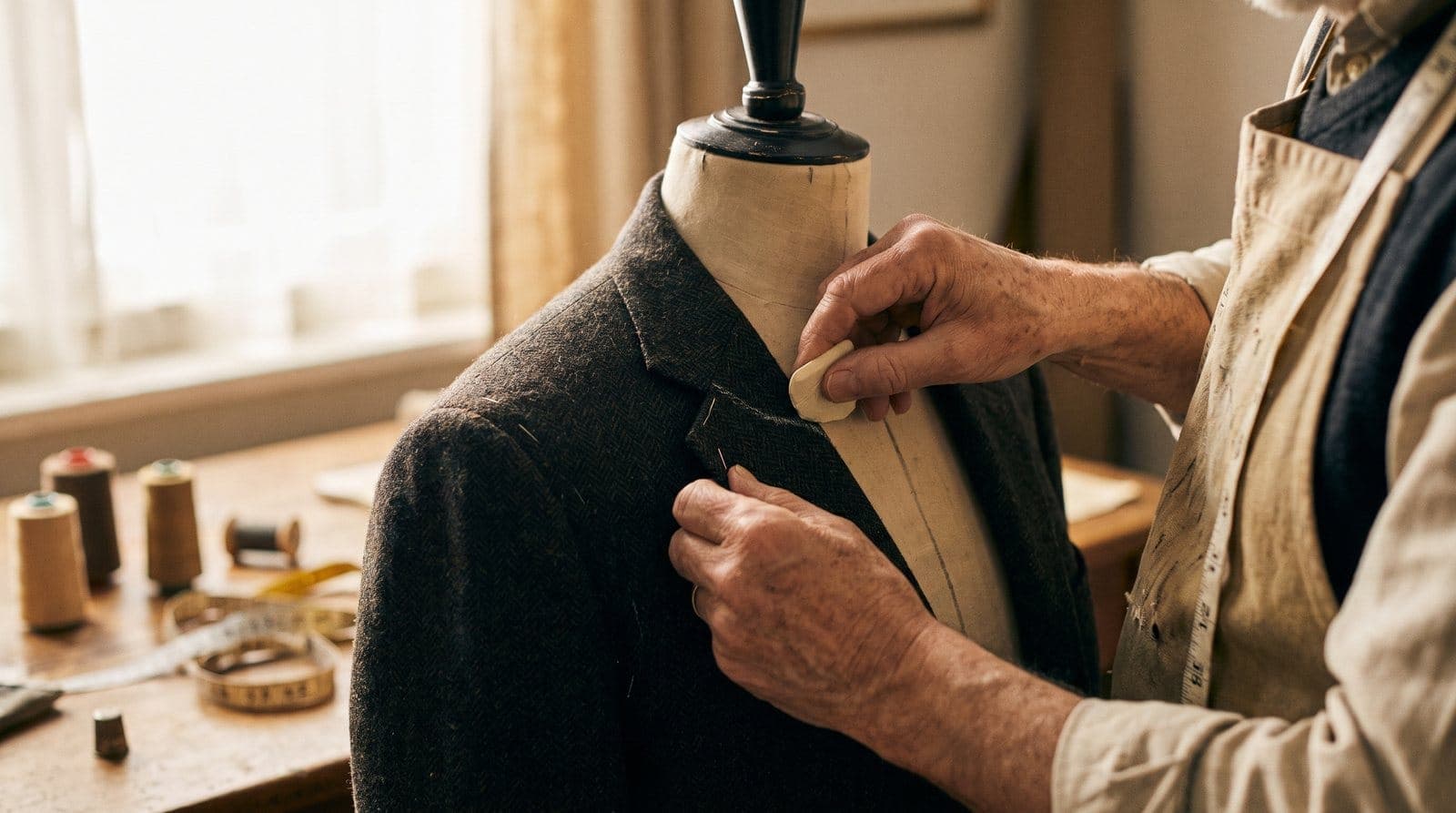
Alterations are a strange corner of the business. They're where you prove your care, the extra fitting, the tweak that makes a garment perfect, and also where your margin quietly bleeds out, one "just a small change" at a time. The maker who says yes to everything for free ends up resenting good clients. The maker who charges for every pin feels stingy. There's a better path, and it runs through clarity set before the work, not after.
Separate two things clients blur together
A correction is your responsibility: the garment doesn't match the measurements or the agreed design, so fixing it is part of the job you were paid for. A revision is a change of mind: the client now wants it slightly shorter, or a different button, or a fit they didn't ask for originally. These feel identical in the moment, both are "can you just…", but one is owed and the other is new work. Naming the difference, first to yourself and then gently to the client, is where getting paid begins.
Set the revision terms before you cut
Decide, as a standing policy, what's included: for example, one round of fitting adjustments within the agreed design, with changes beyond that quoted separately. Say it at the start, not when the requests pile up. When a client knows from day one that the first fitting's tweaks are covered and a redesign is billable, the later conversation is already had. Silence at the start is what makes the ask feel awkward later.
Price revisions like the real work they are
A change of mind can mean unpicking finished seams, sourcing new materials, and hours you hadn't planned. That's not a favour, it's a job, quote it the way you'd quote any job, with materials and time. Clients rarely object when the reason is clear; what they object to is a vague charge with no explanation. "That's a different neckline from what we agreed, so it's a small additional piece of work, here's what it involves" is a fair, easy sentence to say.
Keep a record of what was agreed
Most alteration disputes are really memory disputes: the client remembers asking for something you don't remember agreeing to, or vice versa. A written note of the original design and each approved change protects the relationship far more than it strains it, because it replaces "you said" with "we wrote down." Attach those notes to the order so they're there if a question ever comes up.
Great service and fair pay aren't opposites
You can be generous and profitable at once, the trick is deciding the terms up front and keeping the record straight. Logging each order's design, notes, and changes in one place, as thimblely lets you do, means you can say yes to your clients warmly and still get paid for the work you do. Set the line early, price the new work honestly, and let alterations stop being where your profit hides.
Run the business, not just the craft
thimblely keeps your orders, clients, measurements, payments and deadlines in one place. Built for tailors, designers and makers.
Explore thimblelyKeep reading
- Business & MoneyDeposits Done Right: Asking for Money Without the AwkwardnessA clear deposit policy protects your cash flow and your relationships. Here's how to set one and hold it.5 min read
- Business & MoneyWhat to Charge for Custom Clothing: A Tailor's Pricing GuideStop pricing from your gut. A simple framework for numbers that cover your costs and respect your craft.5 min read
- ProductRunning a Team? How to Assign Work and Stay in SyncGrowing from solo to a small team is a milestone, and a new kind of chaos. Here's how to keep everyone aligned.4 min read